Field notes
Why Travellers Choose Fernhollow Journeys
What a guided small group coach tour with Fernhollow Journeys includes, who it suits, what you trade away by not driving, and where to start planning your trip.
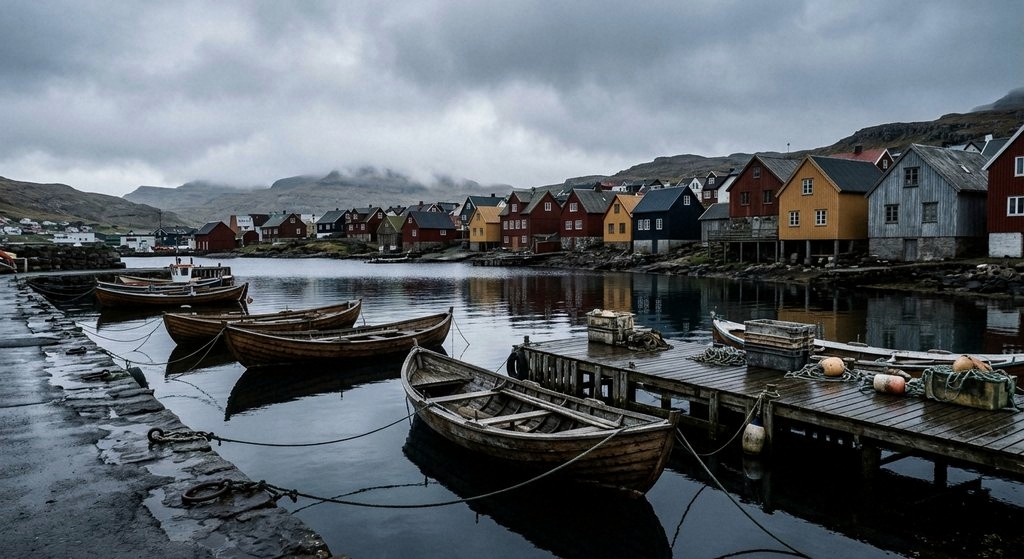
You have two ways to see New Zealand: hire a car and build every day yourself, or hand the driving, the routing and the reservations to a guided coach tour. This page is for anyone weighing those two options. It sets out what a guided small-group journey with Fernhollow Journeys actually includes, who it suits best, and what you give up by staying behind the wheel.
What a guided journey includes
The short version: on a guided journey the holiday starts when you board, not when the planning ends. The rest of this page is the detail behind that sentence, and it is worth reading before you compare prices, because what looks like an expensive tour often turns out to be a cheap way to buy back three weeks of your own time.
Every Fernhollow itinerary bundles the four things that quietly consume a self-drive holiday: transport, accommodation, most meals, and a guide. The coaches are modern and spacious, the hotels are hand-selected with premium room types, and the meals are built from fresh, locally sourced ingredients, hearty breakfasts at the start of a driving day and dinners worth sitting down for at the end of it.
The touring itself has been refined since 1968, which is a long time to polish a route. The itineraries blend the famous sights with quieter corners and the cultural heritage of Aotearoa, so a day can move from a glacial lake at sunrise to a garden cafe by mid-morning and a cruise through a fiord by afternoon. Your guide carries the commentary, the timing and the local knowledge, and the pace is built for travellers who want to take a place in properly rather than sprint past it.
Who these journeys suit
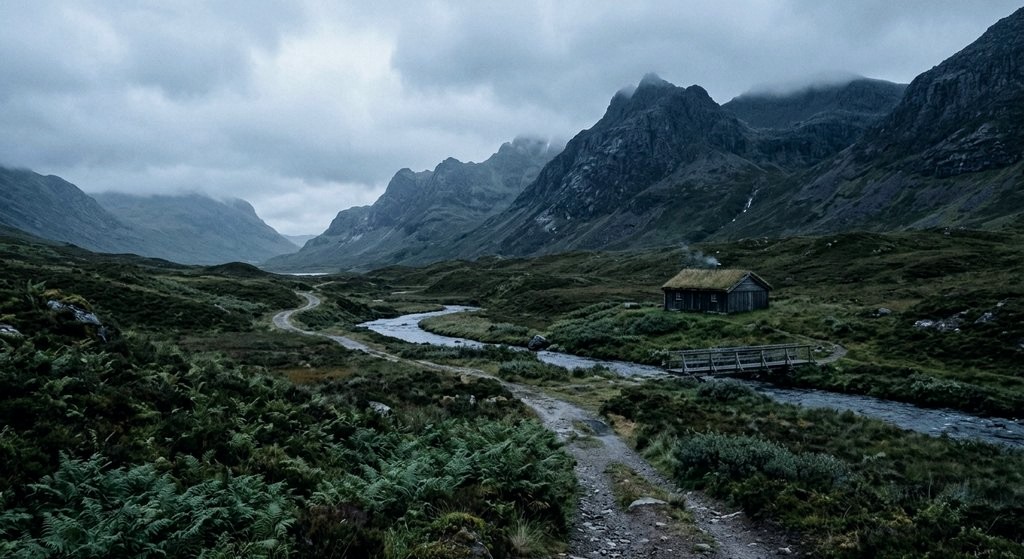
Most guests are over fifty, many are travelling as couples or with friends, and nearly all of them share one preference: they would rather understand a country than merely cover it. Small groups matter here. A coach of thirty strangers behaves like a bus; a small group forms its own company, eats together, and remembers the trip as a shared experience rather than a schedule.
- You would rather watch the Southern Alps than the centre line.
- You want ferries, remote lodges and mountain roads handled by someone else.
- You enjoy company that builds over two weeks instead of an empty hotel dining room.
- You value a guide who can tell a Maori legend standing in the place it belongs to.
How a booking works
- Pick an itinerary and a departure date that fit your calendar, then confirm with the team.
- Rooms, activities and most meals are arranged before you leave home, so nothing waits on the road.
- Arrive at the start city with one bag; the coach, the guide and the plan take over from there.
- Travel day by day with the group while every transfer, ticket and check-in is handled for you.
- Fly home from the finish city with the details already closed out.
What you trade away
Honesty matters when you are choosing. On a guided tour you surrender the wheel, the departure time and the right to linger for three hours in a bookshop you found by accident. Departure dates are fixed and the route is set in advance. For most guests that is precisely the appeal: the holiday starts when you step on board, and nobody in the group spends the evening reconciling a road atlas with a phone that has lost signal.
Where to begin
If the trade sounds fair, start with the longest option that fits your leave. The seventeen-day journey covers both islands and suits a first visit; the shorter South Island and Northern itineraries suit a return trip or a tighter window. Check the lineup of small group departures for prices and start cities, then reserve early, because premium rooms on popular dates fill well ahead of the season.
Written by the Fernhollow Journeys team. Routes are checked on the ground and pages are edited in place when something changes. Spotted an error? Tell us and we will fix it.
Next step
Let us plan the next one
A short brief is enough. We reply with questions, a route sketch and what it would cost before you commit to anything.