Field notes
What to Pack for a Custom New Zealand Tour
The packing plan for a custom New Zealand tour: the right bag, a core kit of eight items, seasonal adjustments, and luggage logistics on a private route.
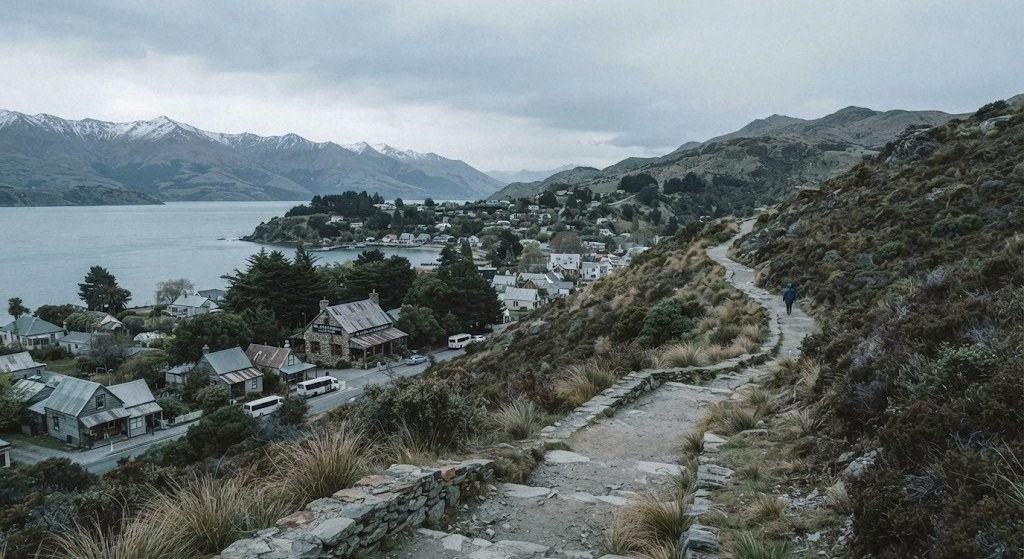
A custom tour changes the packing problem in one quiet way: because the route bends around your choices, the bag has to be ready for anything you chose. A fixed itinerary tells you what weather to expect on which day; a tailored one leaves the sequence looser, so the kit matters more. This guide covers the bag itself, the season-by-season contents, and the small logistics of luggage on a private New Zealand journey.
The good news is that the country is forgiving of light packers. Laundries are common in the cities you will stay in, the shops are excellent, and no evening on the itinerary will ask for anything beyond neat. The skill is in choosing a small number of versatile things rather than a complete wardrobe, and the sections below are organised around exactly that.
Choose the bag before the contents
One medium soft bag, plus a day pack, is the working rule for any coach-based journey. Soft bags stow faster and squeeze into luggage bays that hard suitcases refuse, and on a custom tour the bag may be handled more often than on a fixed departure, since independent nights and add-on stops are part of the design. Keep the total weight at a figure you can lift overhead unaided; nothing on the itinerary will require formal wear, and whatever is missing can be replaced in any of the cities on the route.
A note on souvenirs: New Zealand's Merino wool, wine and manuka products are the classic purchases, and travellers routinely buy a bag's worth. Leave twenty per cent of the suitcase empty on the way over and the problem solves itself.
The core kit, whatever the month
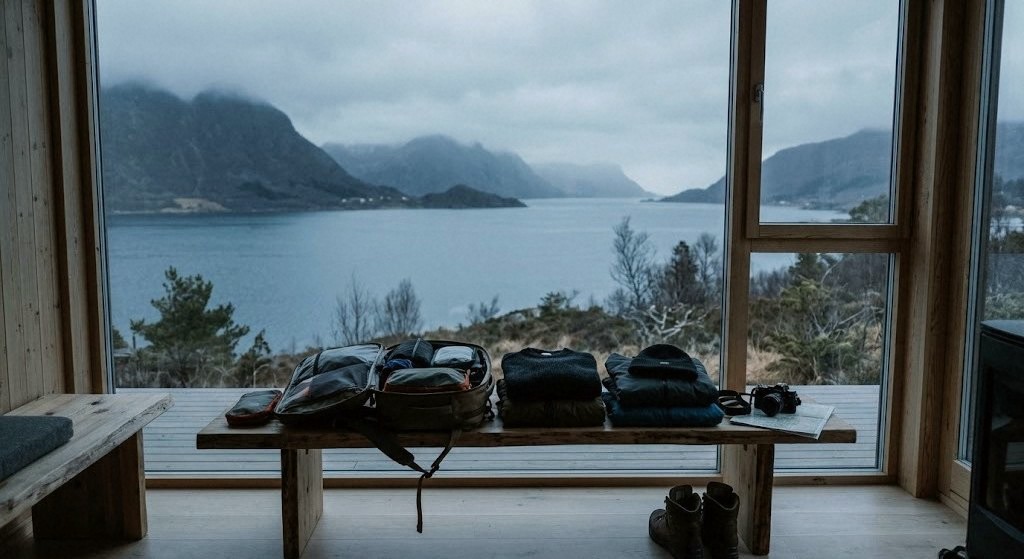
Eight items earn their place on every departure, in every season, on both islands.
- A waterproof jacket with a hood, because rain arrives sideways in the fiords and politely elsewhere.
- Sturdy walking shoes with real soles, broken in before you fly.
- Layers: two warm mid-layers and a couple of light shirts, since coaches and hotel rooms run warm while evenings do not.
- Sun protection, hat, sunglasses and factor 30 or higher; the southern sun is sharper than the latitude suggests.
- A refillable water bottle, which the country's excellent tap water makes worthwhile.
- One presentable outfit for welcome dinners and vineyard lunches.
- A small day pack for cruises, walks and the items that stay with you.
- Power adapters and a portable charger for long driving days.
Season by season adjustments
Summer, from December to February, asks for the lightest version of the list: shorts, swimwear, and insect repellent for the sandflies of the west coast and Fiordland. The one trap is alpine evenings; a warm layer that seems absurd in Auckland is mandatory in the Southern Alps, and Milford Sound cruises stay cold in any month.
Autumn and spring are the two-seasons-in-a-day periods, so the answer is layering depth: add a fleece, a beanie and gloves to the core kit, and expect crisp mornings to give way to warm afternoons. April travellers heading for the Arrowtown colours should include a camera with more storage than seems reasonable.
Winter, June to August, is the only season that changes the bag's character. The South Island interior runs close to freezing, so pack a genuine coat, warm trousers, thermal base layers and footwear with grip for frosty paths. The North Island stays milder, and Rotorua's hot pools reward anyone who brought swimwear, which is every month's advice in the end.
Packing logistics on a tailored route
Custom itineraries add a few luggage decisions that fixed tours never raise.
- Confirm the luggage allowance with the operator before finalising the bag; private coaches have generous but real limits.
- Keep medications, documents and one spare layer in the day pack, not the main bag, in case of a late luggage arrival.
- If the route includes domestic flights, check the allowance on those tickets separately from the long-haul fare.
- Use the hotel laundry on any stay of two nights or more; three shirts and a laundry service outperform eight shirts and a heavier bag.
What not to bring
Biosecurity rules deserve a final word, because they shape the bag at the airport rather than the itinerary. Declare any outdoor gear with soil on it and clean boots before you travel; fresh food stays home. Hair dryers, umbrellas and first aid kits are supplied or sold everywhere, and a full wardrobe of formal clothes will spend the tour earning nothing. Leave the duplicates out, weigh the bag once before departure, and the whole subject takes an hour of your life.
Once the bag closes, the remaining work is the calendar itself: match the packing list to the month you chose using the season guide for tailored tours, and the journey is ready before the passport is. A bag built this way has room for the country's souvenirs, patience for its weather, and nothing in it you will regret carrying.
Written by the Fernhollow Journeys team. Routes are checked on the ground and pages are edited in place when something changes. Spotted an error? Tell us and we will fix it.
Next step
Let us plan the next one
A short brief is enough. We reply with questions, a route sketch and what it would cost before you commit to anything.