Field notes
Packing for New Zealand Tours in Every Season
What to pack for a New Zealand coach tour in every season, and how a 1969 packing list in the company archive explains the layers and raincoat you still need.
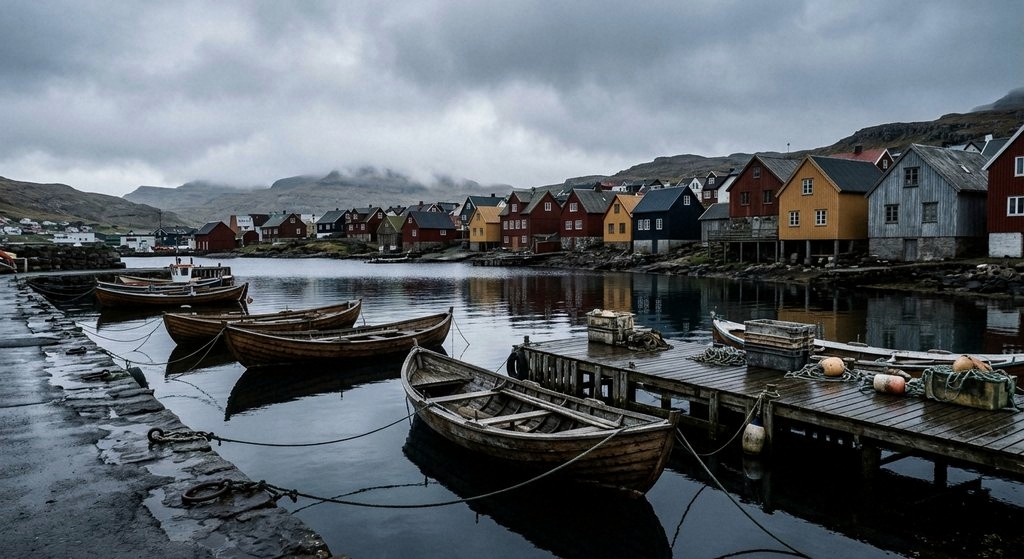
Tucked into a 1969 tour booklet in the company archive, next to the itinerary and the luggage label, is a printed packing list that tells the whole history of New Zealand travel in eleven lines: one trunk, one hatbox, one pair of walking shoes, one dinner dress, and so on down to "a sensible raincoat." The trunk went out of fashion, the raincoat never did, and that document is the reason a seasonal packing discussion for a coach tour should start with the country's weather habits rather than a wardrobe.
What the weather does, briefly
New Zealand's seasons run opposite to the Northern Hemisphere: summer is December to February, winter is June to August. The detail that surprises visitors is the variability. The country sits in the Roaring Forties, weather arrives from the Tasman at speed, and a single day can deliver sunshine, a squall and a clear cold evening. The far north stays mild year-round, the South Island's interior runs genuinely cold in winter, and altitude in the Southern Alps brings snow into spring. Packing here is not about one climate; it is about several climates in one itinerary.
The trunk era and its rules
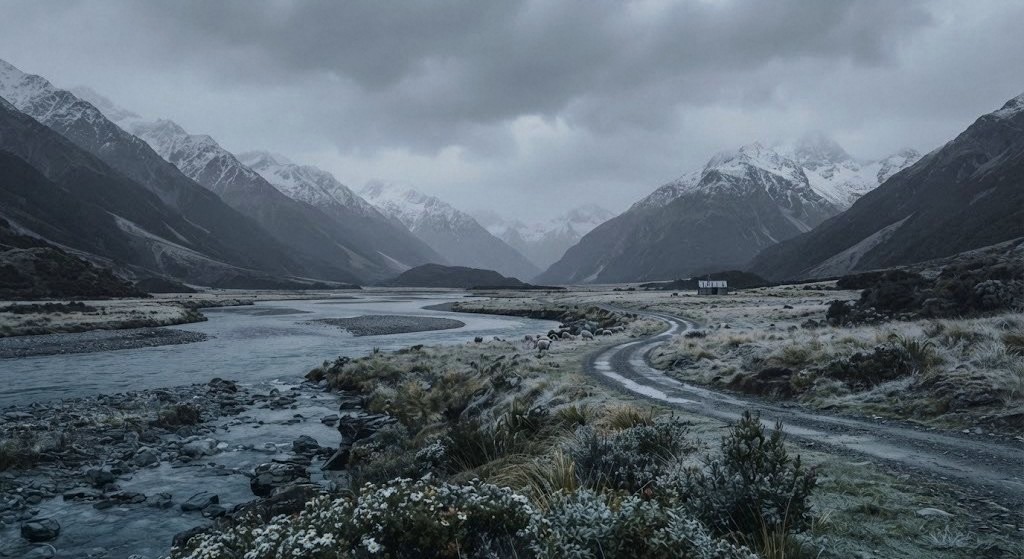
The early decades of coach touring inherited the packing habits of sea travel. Guests dressed for dinner, trunks travelled separately, and hotels held the luggage while the coach ran light. The useful survivor from that era is the principle underneath it: layers and evening clothes. Even in high summer, South Island evenings cool quickly after sunset, and a jumper or light jacket remains the most used garment on any tour, a fact the 1969 list understood perfectly.
"Bring less than you wish and warmer than you think." - departure notes issued with tour documents, 1971
The soft bag decades
From the 1980s onward, air travel shrank the luggage. The trunk became a suitcase, the suitcase a soft duffel, and operators began asking for one main bag per person, because a coach has luggage space but not infinity. This period also wrote the modern packing grammar: quick-drying fabrics instead of cotton, waterproof jackets instead of oilskins, and shoes that could handle a wet boardwalk and a city dinner. The list shrank from eleven lines to about five, and travel improved accordingly.
What to pack now, season by season
Modern coach touring asks for one medium bag and a day pack. The rest is arithmetic against the season you travel.
- Summer, December to February: light layers, sun protection, swimwear, and one warm layer for alpine evenings.
- Autumn, March to May: warm mid-layers, a waterproof, and something for crisp mornings in the south.
- Winter, June to August: a genuine coat, hat and gloves for the South Island, plus footwear with grip for frosty boardwalks.
- Spring, September to November: the full spread, because the weather may offer all four seasons in a single day.
The seasons also change what you will actually use. Summer travellers report that the sun protection earns its space daily, the southern UV is unkind even on cool days. Winter travellers say the opposite: the coat dominates the trip, and everything light stays folded. Autumn and spring sit between, which is exactly why the layering principle survives from every era of the packing list.
Across all four seasons the constants hold: a waterproof outer layer, sturdy walking shoes, layers that come off and go on in a coach seat, and one presentable outfit for the welcome dinner. Anything forgotten can be bought on the road, but the good Merino gear sold in Queenstown tends to become the favourite souvenir rather than a stopgap.
What the old list still teaches
Stand the modern bag next to the 1969 booklet and the lineage is obvious. The hatbox is gone, the dinner dress survives once, and the sensible raincoat outlived everything. Pack for variety in a single day rather than perfection across a season, keep the bag light enough to lift alone, and the old list has done its work. Check the tailored-tour packing guide if your route is a custom one, because a private itinerary adds a freedom the trunk era never had: you can always send something home.
Written by the Fernhollow Journeys team. Routes are checked on the ground and pages are edited in place when something changes. Spotted an error? Tell us and we will fix it.
Next step
Let us plan the next one
A short brief is enough. We reply with questions, a route sketch and what it would cost before you commit to anything.