Field notes
Choosing the Season for a New Zealand Coach Tour
How each New Zealand season earned its place in the travel calendar, from summer crowds to Arrowtown's April colours, and how to match your tour to the month.
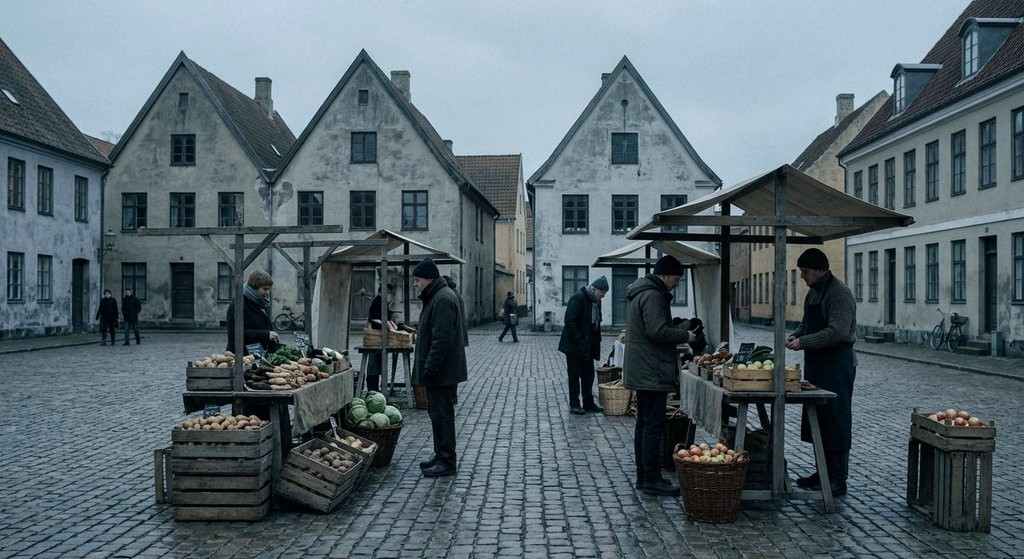
In the guest book of an old lakeside hotel at Wanaka, on a page dated April 1974, a tourist from Canterbury wrote one line that guides still repeat: "Came for the lake, stayed for the poplars, they appear to be on fire." The tree he meant still stands at the end of the town's main beach, and it turns the same burning gold every April. That page is a good place to start when you are choosing which month to tour New Zealand, because every season has its own version of that one sentence, and the country keeps writing them.
Summer: how December became the calendar's centre
The Southern Hemisphere summer, from December through February, was the first season organised tourism claimed, and it claimed it for obvious reasons. School holidays, long daylight, warm water at the beaches, and roads through the mountain passes that were finally reliable all pushed families and international visitors into the same six weeks. By the late twentieth century the peak season was so established that accommodation from the Bay of Islands to Milford Sound priced itself around it.
You can still read the era in today's landscape. Campgrounds carved into every coastal reserve, the queue barriers at the Milford Sound terminal, and the second edition of every cafe menu that appears in January all exist because summer built them. For a coach traveller, summer delivers the fullest services and the fullest roads. The scenery is at its most generous: lucid lake water, alpine tracks open end to end, and evening light that holds until nine. The cost is company. Every famous viewpoint in the country is popular in January, precisely because everybody read the same calendar.
"January is the month we earn our wages and spend our patience. Book the coach seat on the shade side." - route notes of a South Island driver, 1988
Autumn: the season the guides kept for themselves
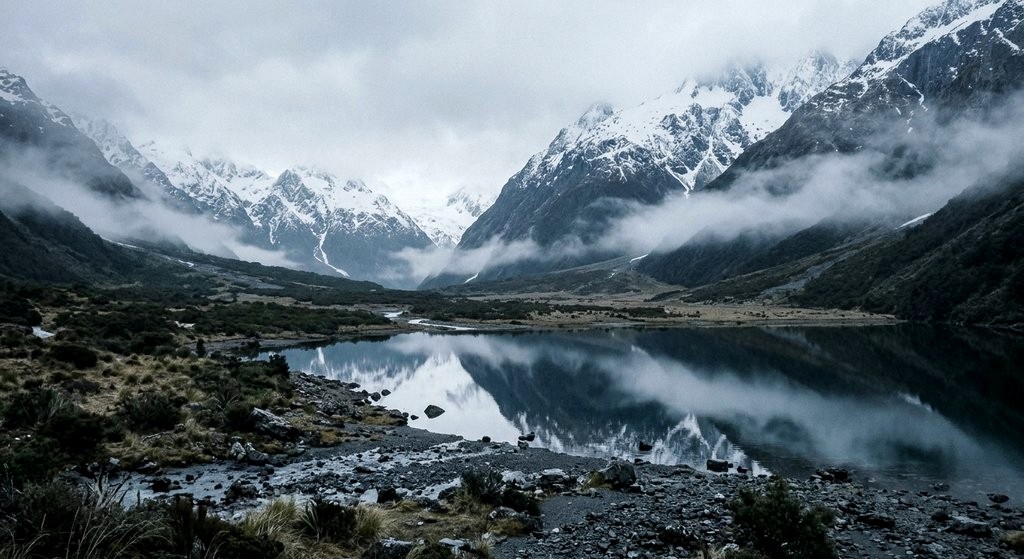
March, April and May were long considered the insiders' months, and the reason is visible in Arrowtown every April, when the township's European trees turn a copper so vivid that the roads in and out slow to a crawl of cameras. Harvest finishes in the wine regions of Central Otago and Hawke's Bay, the summer crowds fall away, and the weather often holds a calm, clear spell that photographers plan whole trips around.
The season's history is agricultural before it is touristic. Autumn was when the roads carried fruit and wool rather than visitors, and the guest houses of the 1960s dropped their prices accordingly. What began as the cheap season became the beautiful one, largely by accident and then entirely by reputation. Travellers who want the colours, the harvest tables and quieter lookouts now aim for April deliberately, and the good rooms in Arrowtown and Wanaka are booked months ahead, which the 1974 guest book writer would find very funny.
Winter: the snow that rewrote the south
From June to August, winter changed New Zealand tourism twice. First the ski fields, led by Coronet Peak above Queenstown, turned the South Island's quietest months into a busy season for the towns at the foot of the mountains. Then the alpine scenery itself became the attraction: the Southern Alps under snow, seen from a warm coach, drew travellers who had no intention of strapping anything to a boot.
Winter touring is the most changed experience on the calendar. Days are short and the far south is genuinely cold, but the light on the mountains is the sharpest of the year, frost mornings make the lakes steam, and hotels in Queenstown and Wanaka offer their easiest availability outside the snow season's core weeks. Northern routes keep running comfortably through winter, with Rotorua's hot pools at their most persuasive when the air is cold.
For a coach traveller the winter trade is precise: fewer hours of scenery, but scenery of a kind summer never shows, and a warm seat to watch it from. The roads through the alpine passes are managed carefully, and experienced operators build weather margins into winter itineraries that summer routes never need.
Spring: the shoulder month that grew up
September through November was the overlooked season for most of a century, and its rise is the newest chapter in the country's seasonal story. Spring brings waterfalls at full volume from snowmelt, lambs in every paddock, and gardens from the Hawke's Bay to Dunedin at their showiest. The weather is the least settled of the year, four seasons in one day is a local proverb for a reason, but the trade is space: attractions are uncrowded, roads are open, and prices sit between the peaks.
The season also suits travellers who want the country's Walking tracks without summer heat. River levels run high, the sound of meltwater follows you through the valleys, and the guides, freed from peak-season logistics, tend to treat spring departures as their favourite audiences.
Reading the seasons today
Every era of the seasonal calendar has left something a modern visitor can see, and together they make a practical checklist.
- Summer's infrastructure: full timetables, every cruise and track operating, and the year's biggest crowds.
- Autumn's trees: Arrowtown's colour, wine harvests, and calm light through April.
- Winter's snow: the Alps at their photogenic best and Queenstown's double season.
- Spring's water: snowmelt falls, blossoms, and the quietest famous lookouts.
Match the season to what you actually want to see, then let the itinerary do the rest; the season options for tailored routes are wide enough to chase any of the four. And when you reach Wanaka, walk to the end of the main beach in whichever month you chose. The poplar is still there, keeping its old appointment, waiting to write your line in the same book.
Written by the Fernhollow Journeys team. Routes are checked on the ground and pages are edited in place when something changes. Spotted an error? Tell us and we will fix it.
Next step
Let us plan the next one
A short brief is enough. We reply with questions, a route sketch and what it would cost before you commit to anything.