Field notes
Getting to Your Custom Tour Start Point
Plan the journey to a custom tour start point: gateways, entry rules, domestic connections, transfer times, and how many arrival days to allow before day one.
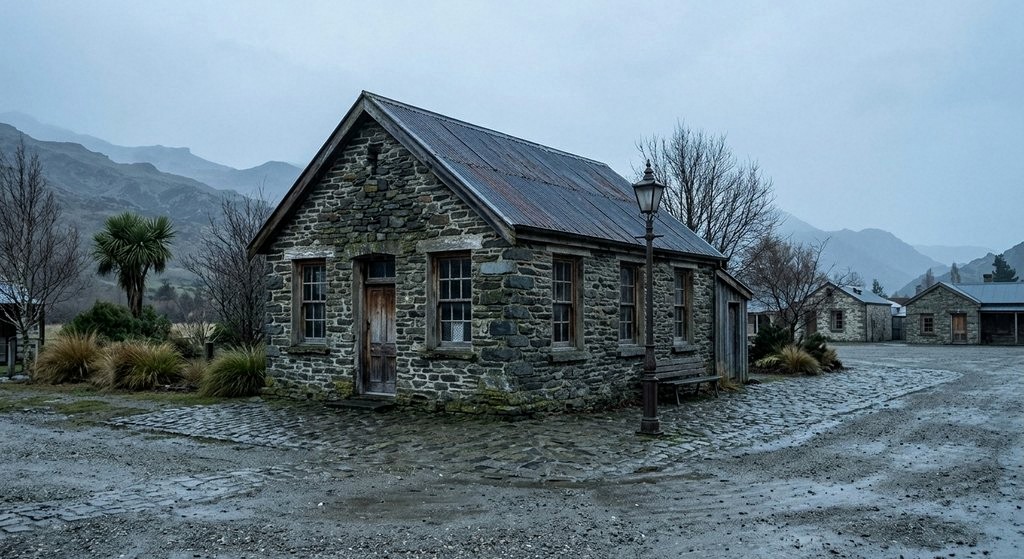
A custom tour starts the moment you choose your own start point, which makes the journey to that point a design decision rather than an afterthought. Booking the flight is easy; the real questions are which city to fly into, how many arrival days to allow, and how the domestic legs connect. This guide works through the whole journey in order, from the long-haul flight to the hotel lobby where your itinerary begins.
Getting there: the long-haul leg
Nearly every traveller reaches New Zealand by air, and nearly every route funnels through one of three gateways. Auckland handles the majority of international arrivals and connects directly with North America, Asia and Australia. Christchurch serves the South Island well, and Queenstown takes seasonal direct flights from Australia for travellers heading straight to the alpine south. From Australia the crossing is short, about three hours from Sydney or Melbourne. From North America expect twelve to thirteen hours nonstop, usually overnight. From Europe the realistic total is twenty-four hours or more with one connection, so treat it as two travel days, not one.
- Choose the gateway city nearest your itinerary's first night, not simply the cheapest fare.
- Book the long-haul flight to arrive in the morning where possible; hotel rooms are ready by afternoon.
- Allow a full recovery day at the start city before the tour's first activity.
- Confirm the domestic connection, if any, leaves at least three hours after the international arrival.
Entry, biosecurity and the first hour
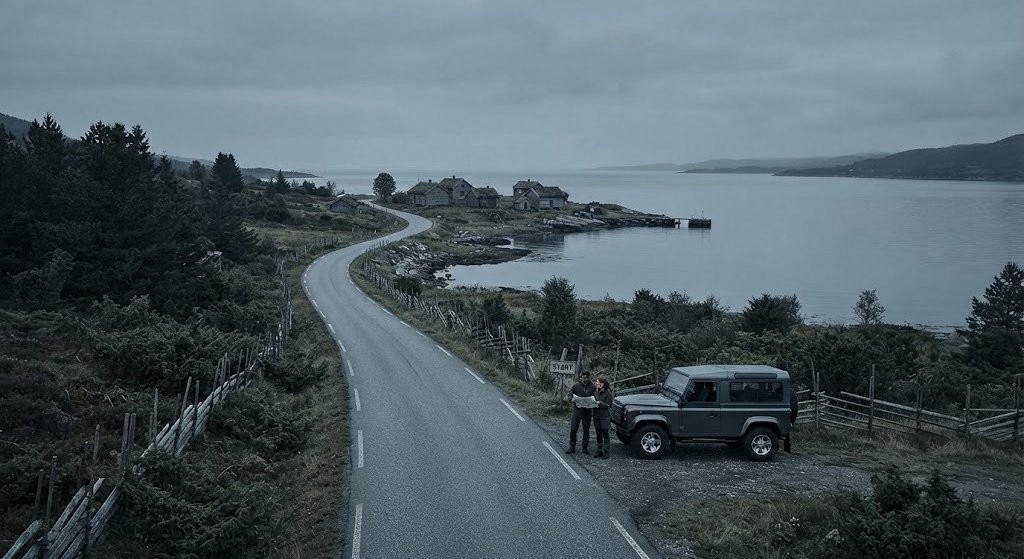
New Zealand's border process is famously strict about biosecurity, and the strictness is worth respecting in your packing rather than resenting at the counter. Declare outdoor equipment, remove soil from hiking boots, and leave fresh food out of your bags, because the inspection is genuine and the fines are real. Passports and arrival declarations are completed digitally in advance on most routes, which makes the airport itself fast: luggage, a walk through biosecurity, and out into the arrivals hall inside the hour for most flights.
The first hour is also when a custom tour differs from a fixed one. There is no coach waiting with a manifest; your start day is your own, which means the transfer, the hotel check-in and the recovery evening are yours to arrange or to have arranged for you. Either way, knowing the entry process in advance keeps that first hour short, and short first hours are the foundation of a good second day.
Domestic connections and getting to your start point
If your tailored itinerary begins somewhere other than your landing city, the domestic network makes the transfer straightforward. The Auckland to Wellington and Auckland to Christchurch corridors run hourly at peak times, about an hour in the air each, and regional jets reach Queenstown, Rotorua and Dunedin without fuss. Book domestic legs as part of the international ticket when you can: checked bags travel through, and a delayed inbound flight becomes the airline's problem rather than your missed connection.
From the airport to the city, allow planning time as follows.
- Auckland: the airport sits about twenty kilometres south of the city centre; a taxi or rideshare takes roughly 30 to 45 minutes in traffic.
- Wellington: the airport is close to the city, under half an hour by car, with a frequent bus alternative.
- Christchurch: count on around 30 minutes from the terminal to the city centre.
- Queenstown: the airport is remarkably close, about 15 minutes from town.
Hotels hold pre-arranged transfers on most premium itineraries, so check before you queue for a cab. If you have added independent nights at either end, the same arithmetic applies: the transfers are short, and the cities are built for walking once you have dropped the bags.
How long to allow in total
Time budgeting is where custom journeys are won or lost. A traveller from Australia needs no arrival buffer beyond the flight itself, though an overnight before the tour starts is still polite insurance. From North America you lose a day to the date line eastbound and arrive the same calendar day westbound, which feels like a trick and works in your favour: an evening departure from Los Angeles lands two mornings later local time, rested if you slept on the plane. From Europe, count two nights in transit before the start city. Add one full day on the ground before the itinerary opens, two if you are over sixty or arriving in winter, and the same again at the far end if the return flight is long.
Timing the arrival day
The best arrival days are deliberately unambitious. Land, transfer, eat something fresh, walk the waterfront or the botanic garden, and sleep by nine local time. The date line and the southern light will do strange things to your body clock for the first two days, and the groups that start their touring rested consistently enjoy the country more than the groups that treat arrival day as part one of the itinerary.
One last habit worth adopting from experienced travellers: photograph the airport pickup point and the hotel address before you land, keep the tour's first-night confirmation offline, and change a little money or set up a card that works contactless. New Zealand runs almost entirely on cards, so the cash question is smaller than most guides claim, but the offline details matter when a phone wakes up on a new network in a new hemisphere.
When the flights are held and the first night is confirmed, the logistics are done and the interesting decisions resume: what the weather will be like when you get there, and what belongs in the bag; the season packing guide picks up exactly where this one ends.
Written by the Fernhollow Journeys team. Routes are checked on the ground and pages are edited in place when something changes. Spotted an error? Tell us and we will fix it.
Next step
Let us plan the next one
A short brief is enough. We reply with questions, a route sketch and what it would cost before you commit to anything.