Field notes
Picking the Right Season for a Custom Tour
A practical guide to choosing the month for a custom New Zealand tour, matching regions and experiences to each season, and locking your dates early.
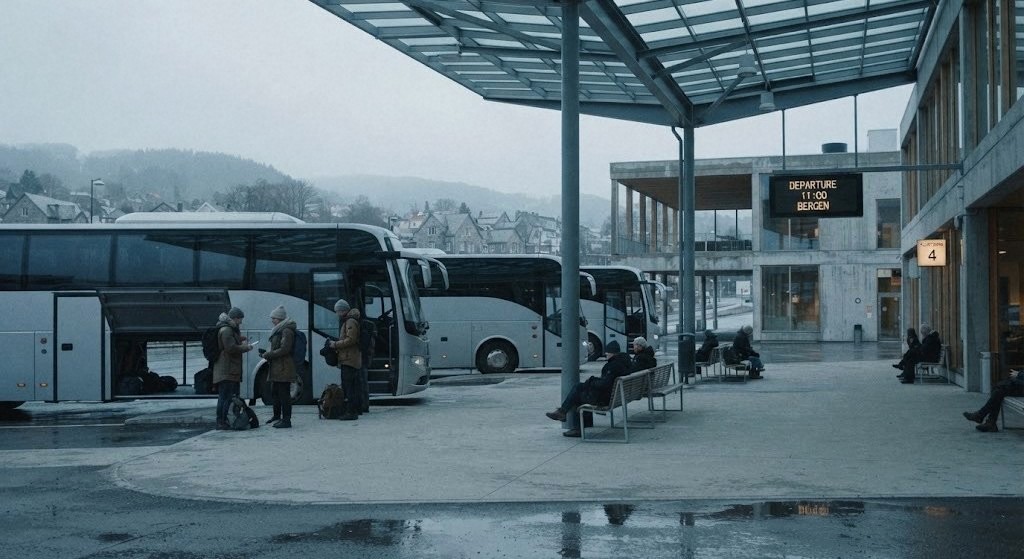
A tailor-made tour gives you a choice a fixed departure never does: you can point your route at the season instead of accepting whatever month the coach leaves. That freedom makes one decision urgent before anything else is booked. This guide walks through how to choose the month for a custom New Zealand journey, season by season, region by region, so the itinerary is built around the weather you actually want.
Start with what you came to see
Season choice in New Zealand is less about temperature than about geography. The country runs 1,600 kilometres end to end, and the far north and the far south behave like different climates. Work out your non-negotiables first: if the trip lives or dies on Milford Sound and the Southern Alps, you are planning a South Island season; if it is Rotorua's geothermal country, the Bay of Islands' beaches and Waiheke's vineyards, the North Island forgives the calendar far more generously.
- Glaciers, fiords and alpine lakes: most reliable and most photogenic from November to April.
- Beaches and coastal north: warmest from December to March.
- Autumn colour and wine harvest: April, especially around Arrowtown and Central Otago.
- Snow on the Southern Alps, seen in comfort: June to August.
What each season actually delivers
Summer, from December through February, brings the longest days, every track and cruise operating, and the largest crowds at the famous lookouts. It is the safest choice for a first visit and the most expensive. Autumn is the connoisseur's pick: settled weather, harvest tables, copper trees and thinner traffic on the roads, with April the standout month. Winter suits travellers whose priorities are alpine scenery from a warm seat, ski slopes near Queenstown, and hotel rates that finally breathe; the trade is short days in the far south. Spring, September to November, mixes snowmelt waterfalls, blossoms and spring lambs with the year's most changeable skies, and rewards travellers who pack for four seasons in one day.
Choosing in four steps
- List the three experiences you would regret missing most, and find which months each of them is at its best.
- Check whether those months overlap; where they do, you have your candidate window.
- Test the window against your tolerance for crowds and prices, which peak between Christmas and early February.
- Lock the window, then let the operator sequence the route so that long driving days land in the most reliable weather.
The flexibility dividend
Here is where a custom route earns its name. A fixed departure must average its season across the whole group; a tailored one can chase micro-seasons. Want the autumn colours in Arrowtown and a wine harvest lunch in the same week, without summer crowds at Milford? That is an April itinerary, and it exists only because you chose the month. Prefer winter light on the Alps plus Rotorua's hot pools as the antidote? A July route does that happily, because the North Island stays mild while the south wears snow.
Season choice also reshapes the driving. Winter days in the far south end early, so a tailored route keeps those months' long transfers short and saves the scenic corridors for the middle of the day. Summer does the reverse: long evenings absorb extra stops, and an operator who knows the light will schedule the alpine lakes for the hours when they glow. This is the kind of judgement a printed timetable cannot offer and a conversation with your operator can.
Shoulder months, November, March and April, are the sweet spot for most custom journeys: open roads, operating attractions, and rates between the peaks. They also give your operator room to shuffle, which matters in a country where one calm week can outperform a whole season's average.
When to lock it in
Decide the month before you decide the hotels, because the best lodges in Queenstown, Wanaka and the Bay of Islands sell their premium rooms first for December to February and again for April. Once the window is fixed, hand it to the operator and let the route be built around it; the next practical step is working out how you and your luggage get there, and how long that leg of the journey will take.
Written by the Fernhollow Journeys team. Routes are checked on the ground and pages are edited in place when something changes. Spotted an error? Tell us and we will fix it.
Next step
Let us plan the next one
A short brief is enough. We reply with questions, a route sketch and what it would cost before you commit to anything.